
Drug Overdose Prevention Program
Free Program Resources
Check out The Health Shelf: Our online shop for free health materials Like:
- Overdose prevention materials
- Medication lockboxes
- Bilingual educational brochures on STI & suicide prevention
- Much more!
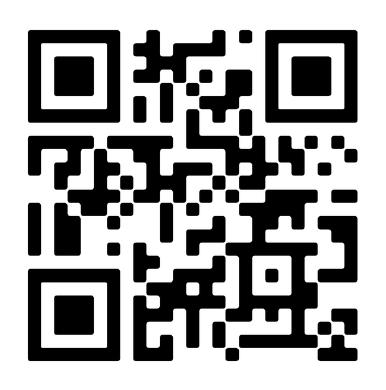
Use the QR code or visit swdh.myshopify.com to access the health shelf
To request training, please complete and submit the form located HERE. Training content and format can be tailored to meet the needs of participants.
Overdose Prevention and Response Training – This free training is designed for all community members, including bystanders, first responders, and support services professionals. By attending this training, you will:
- Learn how to prevent, recognize, and respond to an opioid overdose, including the administration of nasal naloxone.
- Gain an understanding of Idaho’s Good Samaritan Law.
- Learn where to access naloxone, other overdose prevention tools, and recovery support services.
- Receive a certificate of attendance.
The Drug Overdose Prevention Program aims to reduce the misuse of opioids, opioid related overdoses, or overdose related deaths; by providing education, training and resources to the public, first-responders, schools, and medical professionals with prescribing capabilities.
WHAT YOU SHOULD KNOW ABOUT ILLEGAL OPIOIDS:
Illicitly manufactured fentanyl (IMF) is a synthetic opioid. It is different than prescription fentanyl in that it is made in illegal drug markets and is increasingly being mixed into other drugs like methamphetamine, cocaine, or fake pills that are made to look like Adderall or Xanax. Illegally made fentanyl is 50 times stronger than heroin and 100 times stronger than morphine. Even in very small doses, it can be deadly.
WHAT YOU SHOULD KNOW ABOUT PRESCRIPTION OPIOIDS:
Opioids are prescribed by a healthcare provider to treat moderate to severe short term or chronic pain. Prescription opioids are generally safe when taken for a short time and as directed by a doctor, but because they produce euphoria in addition to pain relief, they can be misused, have addiction potential, and increase overdose risks or risk of an overdose related death.
Map of Locations Offering FREE Narcan
Drug Overdose Prevention Resources
Resources for Providers
Resources for Public
For more information please contact:
Drug Overdose Prevention Program Coordinator
Melanie Chroninger, MPH
Health Education Specialist, Sr
Melanie.Chroninger@swdh.id.gov
208-455-5423